
 我要评论
我要评论在 python 中实现程序开机自启动,有多种方法可以完成。以下是一些常见的方法,适用于不同的操作系统(windows、linux 和 macos)。
windows系统开机自启动方法
方法1:通过启动文件夹实现
import os
import sys
import shutil
import getpass

def set_autostart_windows_startup():
    # 获取当前用户的用户名
    username = getpass.getuser()

    # 获取当前脚本的路径
    script_path = os.path.abspath(sys.argv[0])

    # 启动文件夹路径
    startup_folder = f"c:\\users\\{username}\\appdata\\roaming\\microsoft\\windows\\start menu\\programs\\startup"

    # 创建快捷方式
    shortcut_path = os.path.join(startup_folder, "usbmonitor.lnk")

    if not os.path.exists(shortcut_path):
        try:
            import winshell
            from win32com.client import dispatch

            shell = dispatch('wscript.shell')
            shortcut = shell.createshortcut(shortcut_path)
            shortcut.targetpath = sys.executable  # python解释器路径
            shortcut.arguments = f'"{script_path}"'  # 脚本路径
            shortcut.workingdirectory = os.path.dirname(script_path)
            shortcut.iconlocation = script_path
            shortcut.save()

            print(f"已创建开机启动快捷方式: {shortcut_path}")
            return true
        except exception as e:
            print(f"创建快捷方式失败: {e}")
            return false
    else:
        print("快捷方式已存在")
        return true
方法2:通过注册表实现(更可靠)
import winreg
import sys
import os

def set_autostart_windows_registry(app_name, path_to_exe):
    # 打开注册表键
    key = winreg.hkey_current_user
    key_path = r"software\microsoft\windows\currentversion\run"

    try:
        registry_key = winreg.openkey(key, key_path, 0, winreg.key_write)
        winreg.setvalueex(registry_key, app_name, 0, winreg.reg_sz, path_to_exe)
        winreg.closekey(registry_key)
        print(f"已添加注册表开机启动项: {app_name}")
        return true
    except windowserror as e:
        print(f"注册表操作失败: {e}")
        return false

# 使用方法
if __name__ == "__main__":
    app_name = "usbmonitor"
    # 如果是.py文件
    python_exe = sys.executable
    script_path = os.path.abspath(sys.argv[0])
    path_to_exe = f'"{python_exe}" "{script_path}"'

    # 如果是打包后的.exe文件
    # path_to_exe = os.path.abspath(sys.argv[0])

    set_autostart_windows_registry(app_name, path_to_exe)
linux系统开机自启动方法
方法1:通过.desktop文件实现(gnome等桌面环境)
import os
import sys
import getpass

def set_autostart_linux_desktop():
    # 获取当前用户的用户名
    username = getpass.getuser()

    # 获取当前脚本的路径
    script_path = os.path.abspath(sys.argv[0])

    # .desktop文件内容
    desktop_file_content = f"""[desktop entry]
type=application
exec={sys.executable} {script_path}
hidden=false
nodisplay=false
x-gnome-autostart-enabled=true
name=usbmonitor
comment=usb设备监控程序
"""

    # 创建autostart目录(如果不存在)
    autostart_dir = f"/home/{username}/.config/autostart"
    os.makedirs(autostart_dir, exist_ok=true)

    # 写入.desktop文件
    desktop_file_path = os.path.join(autostart_dir, "usbmonitor.desktop")

    try:
        with open(desktop_file_path, 'w') as f:
            f.write(desktop_file_content)
        # 设置可执行权限
        os.chmod(desktop_file_path, 0o755)
        print(f"已创建开机启动.desktop文件: {desktop_file_path}")
        return true
    except exception as e:
        print(f"创建.desktop文件失败: {e}")
        return false
方法2:通过systemd服务实现(适用于无桌面环境)
import os
import sys
import getpass

def set_autostart_linux_systemd():
    # 获取当前用户的用户名
    username = getpass.getuser()

    # 获取当前脚本的路径
    script_path = os.path.abspath(sys.argv[0])

    # systemd服务文件内容
    service_file_content = f"""[unit]
description=usb device monitor
after=network.target

[service]
type=simple
user={username}
execstart={sys.executable} {script_path}
restart=on-failure

[install]
wantedby=multi-user.target
"""

    # 需要root权限写入系统服务目录
    service_file_path = "/etc/systemd/system/usbmonitor.service"

    print("需要root权限来创建systemd服务文件")
    print(f"请手动创建文件: {service_file_path}")
    print("内容如下:")
    print(service_file_content)
    print("\n然后执行以下命令:")
    print("sudo systemctl daemon-reload")
    print("sudo systemctl enable usbmonitor.service")
    print("sudo systemctl start usbmonitor.service")

    return false  # 需要手动操作
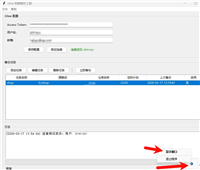
在pyqt应用中集成开机自启动功能
服务器端添加设置选项
# 在usbservergui类中添加
class usbservergui(qmainwindow):
    def __init__(self):
        # ... 原有代码 ...
        self.create_autostart_menu()

    def create_autostart_menu(self):
        menubar = self.menubar()
        settings_menu = menubar.addmenu('设置')

        autostart_action = qaction('开机自启动', self, checkable=true)
        autostart_action.setchecked(self.check_autostart())
        autostart_action.triggered.connect(self.toggle_autostart)
        settings_menu.addaction(autostart_action)

    def check_autostart(self):
        """检查是否已设置开机自启动"""
        if platform.system() == 'windows':
            try:
                key = winreg.hkey_current_user
                key_path = r"software\microsoft\windows\currentversion\run"
                registry_key = winreg.openkey(key, key_path, 0, winreg.key_read)
                value, _ = winreg.queryvalueex(registry_key, "usbmonitor")
                winreg.closekey(registry_key)
                return os.path.exists(value.split('"')[1])  # 检查路径是否存在
            except windowserror:
                return false
        else:  # linux
            username = getpass.getuser()
            desktop_file = f"/home/{username}/.config/autostart/usbmonitor.desktop"
            return os.path.exists(desktop_file)

    def toggle_autostart(self, enabled):
        """切换开机自启动设置"""
        if platform.system() == 'windows':
            app_name = "usbmonitor"
            python_exe = sys.executable
            script_path = os.path.abspath(sys.argv[0])
            path_to_exe = f'"{python_exe}" "{script_path}"'

            if enabled:
                success = set_autostart_windows_registry(app_name, path_to_exe)
            else:
                success = remove_autostart_windows_registry(app_name)
        else:  # linux
            if enabled:
                success = set_autostart_linux_desktop()
            else:
                success = remove_autostart_linux_desktop()

        if not success:
            # 显示错误消息
            msg = qmessagebox()
            msg.seticon(qmessagebox.warning)
            msg.settext("修改开机自启动设置失败")
            msg.setwindowtitle("错误")
            msg.exec_()
客户端同样添加类似功能
# 在usbclientgui类中添加类似代码
class usbclientgui(qmainwindow):
    def __init__(self):
        # ... 原有代码 ...
        self.create_autostart_menu()
    def create_autostart_menu(self):
        # 类似于服务器端的实现
        pass
完整实现步骤
选择适合的方法:
- windows: 推荐使用注册表方法
- linux桌面环境: 使用.desktop文件方法
- linux服务器: 使用systemd方法
添加到你的pyqt应用:
- 在设置菜单中添加"开机自启动"选项
- 实现检查当前状态的函数
- 实现启用/禁用的函数
测试:
- 重启计算机验证是否自动启动
- 测试禁用功能是否有效
打包注意事项:
- 如果使用pyinstaller打包,路径处理会有所不同
- 打包后应该使用.exe路径而不是.py路径
注意事项
权限问题:
- windows需要管理员权限修改注册表
- linux需要root权限修改systemd服务
路径问题:
- 确保使用绝对路径
- 打包后路径会变化,需要特别处理
安全考虑:
- 不要硬编码敏感信息
- 提供禁用自启动的选项
多平台兼容:
- 使用
platform.system()检测操作系统 - 为不同平台提供不同的实现
通过以上方法,开发的应用可以在系统启动时自动运行,非常适合监控类应用程序的需求。
以上就是python实现程序开机自启动的常见方案的详细内容,更多关于python开机自启动的资料请关注代码网其它相关文章!




发表评论