
 我要评论
我要评论前言
本文深入探讨java开发中常见的illegalargumentexception异常,分析其产生原因,并提供多种解决方案和预防措施,帮助开发者更好地处理这类异常。
什么是 illegalargumentexception?
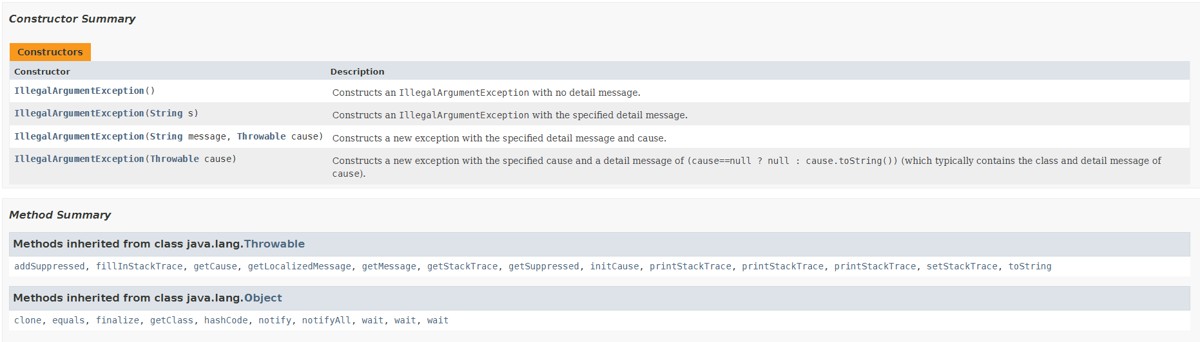
illegalargumentexception 是java中一个常见的运行时异常(runtimeexception),当向方法传递了不合法或不适当的参数时会抛出此异常。它是开发过程中经常遇到的一种异常类型,继承自 runtimeexception,因此不需要在方法签名中显式声明。
public class illegalargumentexception extends runtimeexception {
    // 构造方法
    public illegalargumentexception() {}
    public illegalargumentexception(string s) {}
    public illegalargumentexception(string message, throwable cause) {}
    public illegalargumentexception(throwable cause) {}
}
异常产生的原因
illegalargumentexception通常在以下情况下抛出:
- 参数值超出预期范围:例如传递了负数给要求正数的方法
- 参数格式不正确:字符串格式不符合预期,如日期字符串格式错误
- 参数类型虽然正确但内容无效:如空对象或空字符串
- 参数组合无效:多个参数之间的关系不合法
常见场景与示例
1. 数值参数超出有效范围
public void setage(int age) {
    if (age < 0 || age > 150) {
        throw new illegalargumentexception("年龄必须在0到150之间");
    }
    this.age = age;
}
2. 空参数或空字符串
public void setname(string name) {
    if (name == null || name.trim().isempty()) {
        throw new illegalargumentexception("名称不能为空");
    }
    this.name = name;
}
3. 无效的枚举值
public enum status { active, inactive, pending }

public void setstatus(status status) {
    if (status == null) {
        throw new illegalargumentexception("状态不能为空");
    }
    this.status = status;
}
4. 集合操作中的非法参数
public list<string> getsublist(list<string> list, int fromindex, int toindex) {
    if (fromindex < 0 || toindex > list.size() || fromindex > toindex) {
        throw new illegalargumentexception("索引范围无效");
    }
    return list.sublist(fromindex, toindex);
}
处理方法与最佳实践
1. 参数验证
在方法开始处验证参数有效性是预防illegalargumentexception的最佳方式:
public void processuserdata(string username, int age, string email) {
    // 验证参数
    if (username == null || username.trim().isempty()) {
        throw new illegalargumentexception("用户名不能为空");
    }

    if (age < 13) {
        throw new illegalargumentexception("用户年龄必须至少13岁");
    }

    if (email == null || !isvalidemail(email)) {
        throw new illegalargumentexception("邮箱格式无效");
    }

    // 处理逻辑
    // ...
}

private boolean isvalidemail(string email) {
    // 简单的邮箱验证逻辑
    return email.matches("^[a-za-z0-9+_.-]+@(.+)$");
}
2. 使用apache commons lang进行验证
apache commons lang库提供了丰富的验证工具类:
import org.apache.commons.lang3.validate;

public void configure(int timeout, string hostname) {
    validate.istrue(timeout > 0, "超时时间必须大于0,当前值:%d", timeout);
    validate.notblank(hostname, "主机名不能为空或空白");

    // 配置逻辑
    // ...
}
3. 自定义异常提供更详细的错误信息
对于复杂的应用,可以创建自定义异常类提供更详细的错误信息:
public class customillegalargumentexception extends illegalargumentexception {
    private final string parametername;
    private final object invalidvalue;

    public customillegalargumentexception(string parametername, object invalidvalue, string message) {
        super(string.format("参数'%s'的值'%s'无效: %s", parametername, invalidvalue, message));
        this.parametername = parametername;
        this.invalidvalue = invalidvalue;
    }

    // getter方法
    public string getparametername() { return parametername; }
    public object getinvalidvalue() { return invalidvalue; }
}

// 使用示例
public void setpercentage(float percentage) {
    if (percentage < 0 || percentage > 100) {
        throw new customillegalargumentexception("percentage", percentage,
                "百分比必须在0到100之间");
    }
    this.percentage = percentage;
}
4. 使用java bean validation
对于复杂对象,可以使用jsr-380 bean validation api:
import javax.validation.constraints.*;

public class user {
    @notnull(message = "用户名不能为空")
    @size(min = 3, max = 20, message = "用户名长度必须在3到20字符之间")
    private string username;

    @min(value = 13, message = "年龄必须至少13岁")
    @max(value = 150, message = "年龄不能超过150岁")
    private int age;

    @email(message = "邮箱格式无效")
    private string email;

    // getter和setter方法
    // ...
}
异常处理策略
1. 尽早失败原则
在方法开始时验证参数,一旦发现无效参数立即抛出异常,避免执行部分操作后才发现问题:
public void transfermoney(account from, account to, bigdecimal amount) {
    // 参数验证
    if (from == null || to == null) {
        throw new illegalargumentexception("账户不能为空");
    }

    if (amount == null || amount.compareto(bigdecimal.zero) <= 0) {
        throw new illegalargumentexception("转账金额必须大于0");
    }

    if (from.getbalance().compareto(amount) < 0) {
        throw new illegalargumentexception("账户余额不足");
    }

    // 执行转账操作
    from.debit(amount);
    to.credit(amount);
}
2. 提供有用的错误信息
异常消息应该清晰明确,帮助开发者快速定位问题:
// 不好的做法
throw new illegalargumentexception("无效参数");

// 好的做法
throw new illegalargumentexception(
    string.format("参数'userid'的值'%s'无效: 用户id必须为正值", userid));
3. 日志记录
适当记录illegalargumentexception可以帮助调试和监控:
try {
    processuserinput(userinput);
} catch (illegalargumentexception e) {
    logger.warn("用户输入无效: {}", userinput, e);
    // 向用户返回友好的错误信息
    showerrortouser("输入格式不正确,请检查后重试");
}
4. 单元测试验证异常行为
编写单元测试确保方法在接收无效参数时正确抛出异常:
@test
public void testsetagewithnegativevalue() {
    user user = new user();
    assertthrows(illegalargumentexception.class, () -> {
        user.setage(-5);
    });
}

@test
public void testsetagewithtoolargevalue() {
    user user = new user();
    assertthrows(illegalargumentexception.class, () -> {
        user.setage(200);
    });
}

@test
public void testsetagewithvalidvalue() {
    user user = new user();
    user.setage(25); // 不应抛出异常
    assertequals(25, user.getage());
}
实际案例分析
案例1:日期处理中的illegalargumentexception
import java.time.localdate;
import java.time.format.datetimeformatter;
import java.time.format.datetimeparseexception;

public localdate parsedate(string datestr, string format) {
    if (datestr == null || format == null) {
        throw new illegalargumentexception("日期字符串和格式都不能为空");
    }

    try {
        datetimeformatter formatter = datetimeformatter.ofpattern(format);
        return localdate.parse(datestr, formatter);
    } catch (datetimeparseexception e) {
        throw new illegalargumentexception(
            string.format("日期字符串'%s'不符合格式'%s'", datestr, format), e);
    }
}
案例2:集合操作中的参数验证
public static <t> list<t> safesublist(list<t> list, int fromindex, int toindex) {
    if (list == null) {
        throw new illegalargumentexception("列表不能为空");
    }

    if (fromindex < 0) {
        throw new illegalargumentexception("起始索引不能为负数: " + fromindex);
    }

    if (toindex > list.size()) {
        throw new illegalargumentexception(
            string.format("结束索引(%d)不能大于列表大小(%d)", toindex, list.size()));
    }

    if (fromindex > toindex) {
        throw new illegalargumentexception(
            string.format("起始索引(%d)不能大于结束索引(%d)", fromindex, toindex));
    }

    return list.sublist(fromindex, toindex);
}
预防illegalargumentexception的最佳实践
- 设计清晰的api:明确定义方法参数的有效范围和格式要求
- 文档化参数约束:使用javadoc明确说明参数的限制条件
- 使用限定类型:尽可能使用枚举或自定义值对象(value object)来代替普通的字符串或整数参数,从类型系统层面减少无效值的可能性。
- 提供默认值:在适当的情况下提供合理的默认参数值
- 使用构建器模式:对于复杂对象,使用构建器模式确保对象构建时的有效性
// 使用构建器模式确保对象有效性
public class userbuilder {
    private string username;
    private int age;
    private string email;

    public userbuilder setusername(string username) {
        if (username == null || username.trim().isempty()) {
            throw new illegalargumentexception("用户名不能为空");
        }
        this.username = username;
        return this;
    }

    public userbuilder setage(int age) {
        if (age < 13) {
            throw new illegalargumentexception("年龄必须至少13岁");
        }
        this.age = age;
        return this;
    }

    public userbuilder setemail(string email) {
        if (email != null && !isvalidemail(email)) {
            throw new illegalargumentexception("邮箱格式无效");
        }
        this.email = email;
        return this;
    }

    public user build() {
        // 构建时进行最终验证
        if (username == null) {
            throw new illegalstateexception("必须设置用户名");
        }

        return new user(username, age, email);
    }
}
总结
illegalargumentexception是java开发中常见的运行时异常,通常由于方法接收到无效参数而引起。正确处理这类异常需要:
- 参数验证:在方法开始处验证所有参数的有效性
- 明确错误信息:提供详细清晰的异常消息,帮助快速定位问题
- 适当日志记录:记录异常信息以便调试和监控
- 单元测试:编写测试验证异常行为
- 预防为主:通过api设计、文档化和使用强类型减少无效参数的可能性
扩展阅读:
希望本文能帮助您更好地理解和处理illegalargumentexception异常。
到此这篇关于java异常:java.lang.illegalargumentexception全面解析与处理的文章就介绍到这了,更多相关java异常java.lang.illegalargumentexception内容请搜索代码网以前的文章或继续浏览下面的相关文章希望大家以后多多支持代码网!



发表评论