
 我要评论
我要评论前言
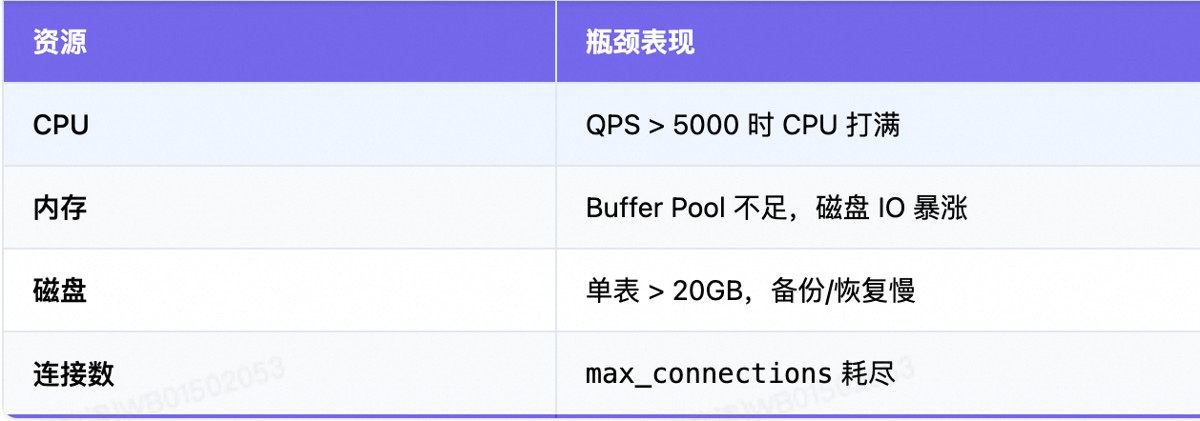
单机 mysql 的瓶颈如下:
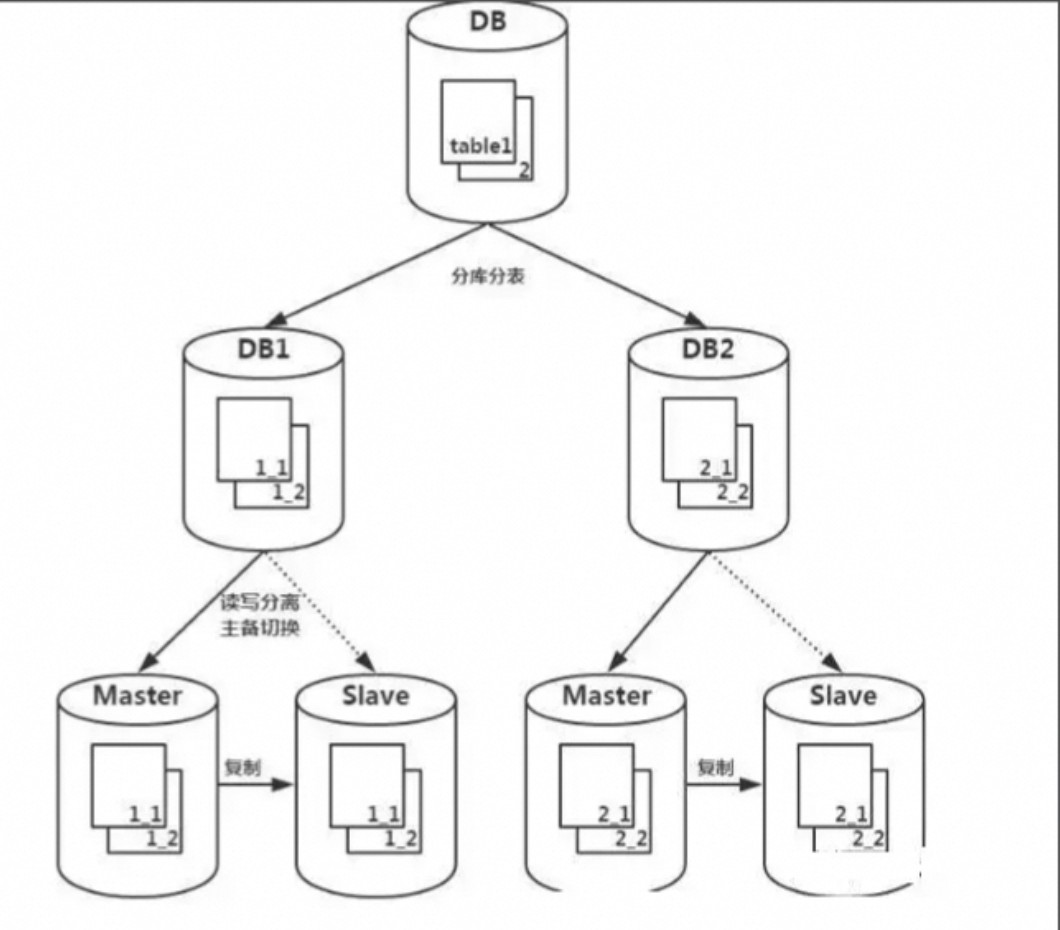
关于分库、分表和读写分离的架构图如下所示;
1、分库分表分区
1.1、联系
| 技术 | 物理位置 | 逻辑视图 | 是否跨实例 |
|---|---|---|---|
| 分区(partitioning) | 同一表、同一库、同一 mysql 实例 | 仍是一个表 | 否 |
| 分表(table sharding) | 多个表(如 user_0, user_1),同一库 | 应用需知道多个表 | 否 |
| 分库(database sharding) | 多个数据库(如 db_0, db_1),可能跨 mysql 实例 | 应用需路由到不同库 | 是 |
核心思想:
- 分区:数据库内部优化
- 分库分表:应用层或中间件实现的分布式架构
1.2、对比
| 能力 | 分区 | 分表 | 分库 |
|---|---|---|---|
| 是否跨实例 | ❌ | ❌ | ✅ |
| 应用是否感知 | ❌(透明) | ✅(需拼表名) | ✅(需路由) |
| 突破单机瓶颈 | ❌ | ❌(仍在单库) | ✅ |
| 支持跨分片查询 | ✅(自动裁剪) | ❌ | ❌(需中间件模拟) |
| 扩容难度 | 低 | 高 | 极高 |
| 典型工具 | mysql 原生 | 应用层 | shardingsphere, vitess |
2、分区(partitioning)
2.1、介绍
mysql 原生支持将一个大表的数据物理拆分到多个“分区”中,但逻辑上仍是一个表,数据库内置能力。
开发人员在数据操作时仍然是对这个整体大表进行操作,之后由数据库底层内部去寻找对应的分区进行操作,这样在数据操作时可以只对特定分区操作以提高效率,存储时也可以将不同分区的物理文件分开存放。
2.2、核心原理
- 物理存储分离:每个分区是一个独立
.ibd文件 - 逻辑视图统一:应用仍操作一个表名
- 查询自动裁剪:优化器只扫描相关分区
2.3、常见分区类型
1.range 分区(按范围)
如下所示:
-- 按年份分区
create table sales (
  id bigint,
  sale_date date,
  amount decimal(10,2)
) partition by range (year(sale_date)) (
  partition p2022 values less than (2023),
  partition p2023 values less than (2024),
  partition p2024 values less than (2025),
  partition p_future values less than maxvalue
);

-- 查询自动裁剪
explain select * from sales where sale_date = '2023-06-01';
-- 只扫描 p2023 分区
(2) list 分区(按枚举值)
如下所示:
-- 按地区分区
create table users (
  id bigint,
  region varchar(10)
) partition by list columns(region) (
  partition p_north values in ('bj', 'tj'),
  partition p_south values in ('gz', 'sz'),
  partition p_west values in ('cd', 'xa')
);
(3) hash 分区(均匀分布)
如下所示:
-- 按 user_id 均匀分布到 4 个分区
create table orders (
  id bigint,
  user_id bigint
) partition by hash(user_id) partitions 4;
(4) key 分区(类似 hash,支持多列)
如下所示:
partition by key(user_id, order_type) partitions 8;
2.4、分区管理命令
-- 添加新分区
alter table sales add partition (
  partition p2025 values less than (2026)
);

-- 删除旧分区(秒级!)
alter table sales drop partition p2022;

-- 重建分区(整理碎片)
alter table sales rebuild partition p2023;
✅ 优点
对应用透明:sql 不用改,
select * from logs where create_time > '2024-01-01'自动只查p2024提升查询性能:分区裁剪(partition pruning)
方便数据管理:
alter table logs drop partition p2023;快速删除旧数据
❌ 缺点
仍在单机:无法突破单 mysql 实例的 cpu/内存/磁盘瓶颈
分区数有限:通常建议 < 100 个分区
不支持所有引擎:仅 innodb、myisam 支持
📌 适用场景
单表过大(> 1000万行),但总数据量未超单机容量
按时间冷热分离(如日志、订单)
需要快速删除历史数据
3、分表(table sharding)
3.1、介绍
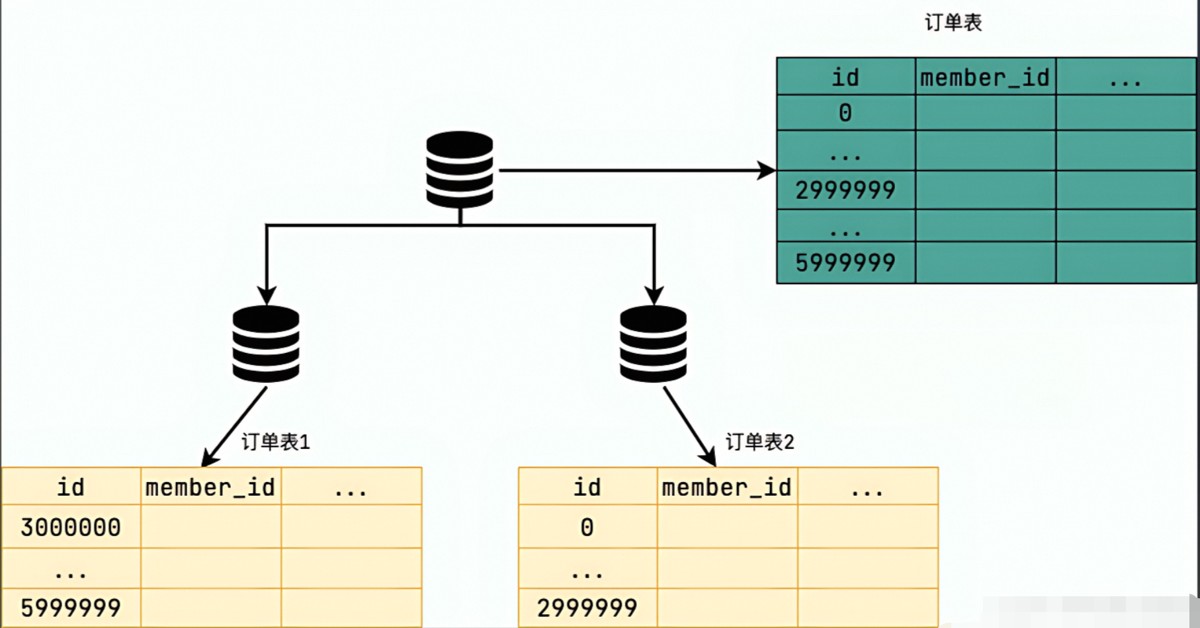
将一张大表拆成多张结构相同的表,应用层拆分。
如下所示:
3.2、使用原因
为什么需要分表?
innodb 单表建议 < 5000万行(b+树深度增加)
表锁/元数据锁竞争(ddl 操作阻塞)
如:
user_0, user_1, user_2, user_3
如何路由?
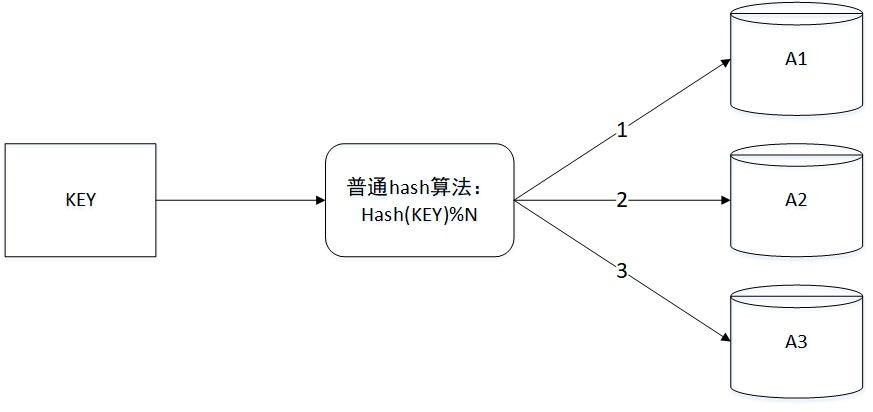
通常用 分片键(shard key) + 取模/哈希 决定数据存哪张表。
如下所示:
示例:按 user_id 分 4 张表
// java 伪代码
public string gettablename(long userid) {
    int tableindex = (int) (userid % 4);
    return "user_" + tableindex;
}

// 查询用户
string sql = "select * from " + gettablename(userid) + " where id = ?";
3.3、分片策略设计
1.分片键选择
| 字段 | 优点 | 缺点 |
|---|---|---|
| user_id | 用户数据聚集 | 热点用户问题 |
| order_id | 均匀分布 | 无法按用户查订单 |
| tenant_id | 多租户隔离 | 租户数据不均 |
最佳实践:选高频查询字段作为分片键
2.分片算法
// 取模(简单但扩容难)
int tableindex = userid % tablecount;

// 一致性哈希(扩容友好)
hashfunction hash = hashing.murmur3_32();
int bucket = hash.hashlong(userid).asint() & integer.max_value;
int tableindex = bucket % tablecount;
3.4、mybatis + 分表
步骤 1:定义分表路由
@component
public class tableshardingrouter {
    private static final int table_count = 4;

    public string gettablename(string basename, long shardkey) {
        int index = (int) (shardkey % table_count);
        return basename + "_" + index;
    }
}
步骤 2:mybatis 动态表名
<!-- usermapper.xml -->
<select id="selectbyid" resulttype="user">
  select * from ${tablename} where id = #{id}
</select>
步骤 3:service 层调用
@service
public class userservice {
    @autowired
    private tableshardingrouter router;

    @autowired
    private usermapper usermapper;

    public user getuser(long userid) {
        string tablename = router.gettablename("user", userid);
        return usermapper.selectbyid(tablename, userid);
    }
}
优点
突破单表性能瓶颈(innodb 单表建议 < 5000万行)
实现简单,无需中间件
缺点
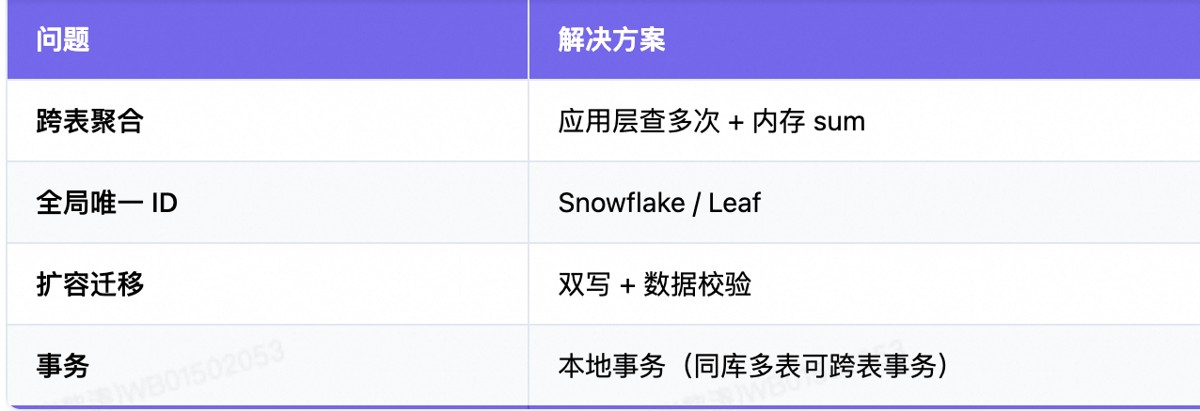
应用强耦合:每个 sql 都要拼表名;
无法跨表 join / 聚合:select count(*) from user_* 需查 4 次再 sum;
扩容困难:从 4 表扩到 8 表,需迁移一半数据;
适用场景
单库能扛住,但单表太大
查询基本都带分片键(如 where user_id = ?)
4、分库(database sharding)
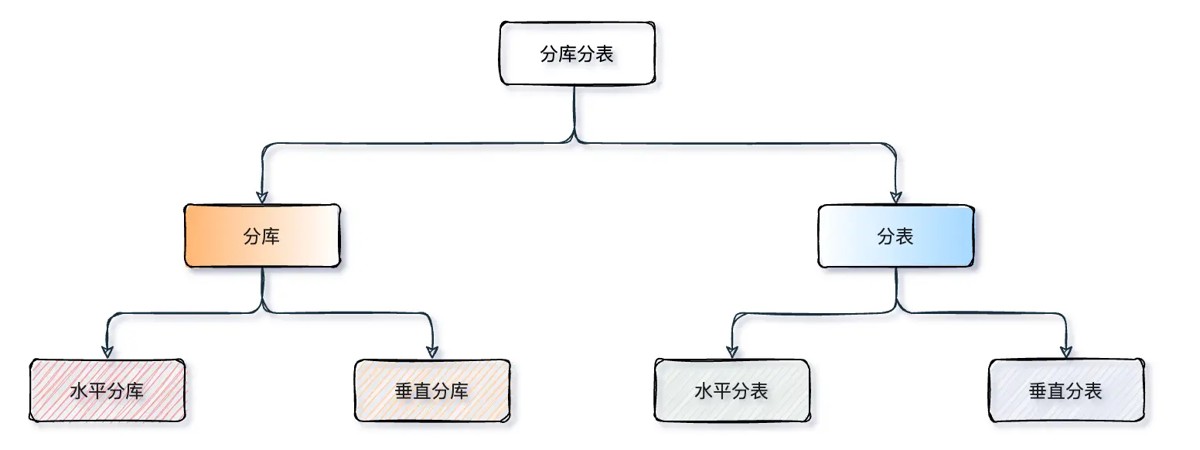
4.1、分库原因
为什么需要分库?
单机资源耗尽(cpu/内存/io)
连接数瓶颈(
max_connections)多租户数据隔离需求
4.2、分库分表组合模式
模式 1:库内分表(推荐)
4 个库 × 每库 16 张表 = 64 分片
优点:减少数据库连接数
模式 2:仅分库
4 个库 × 每库 1 张表
优点:简化表结构
📊 计算公式:
总分片数 = 库数量 × 表数量;
分片id = hash(shard_key) % 总分片数;
库名 = 分片id / 表数量;表名 = 分片id % 表数量
4.3、架构
如下所示:
是什么?
将数据分散到多个数据库实例(可能在不同机器),真正的分布式。
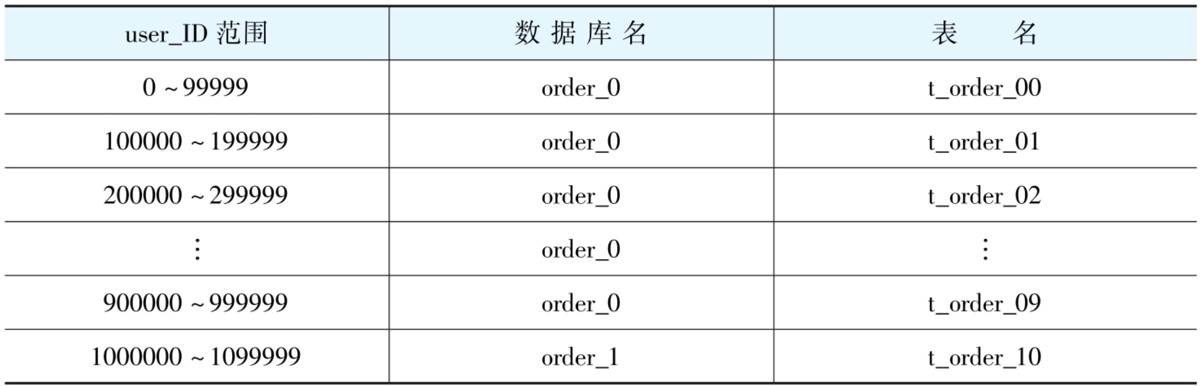
如:
db_0(ip: 10.0.0.1)
db_1(ip: 10.0.0.2)
通常分库 + 分表一起用,如:
db_0
.user_0, db_0.user_1db_1
.user_0, db_1.user_1
架构图
application
│
├── router (shardingsphere / mycat / 自研)
│ │
│ ├── db_0 (10.0.0.1)
│ │ ├── user_0
│ │ └── user_1
│ │
│ └── db_1 (10.0.0.2)
│ ├── user_0
│ └── user_1
优点
水平扩展:突破单机资源限制(cpu/内存/连接数)
高可用:一个库挂了,其他库仍可用
隔离性:租户/业务线数据物理隔离
缺点
复杂度飙升:
跨库事务(需 seata/tcc)
跨库 join(需应用层聚合)
全局 id(需 snowflake/leaf)
运维成本高:备份、监控、扩容都变复杂
适用场景
海量数据(> 1tb)
超高并发(> 1万 qps)
多租户 saas 系统
5、最佳实践
1.不要过早分库分表→ 先优化 sql、加索引、读写分离、缓存
2.分片键至关重要→ 选高频查询字段(如 user_id),避免热点
3.避免跨分片操作→ 设计时让关联数据落在同分片(如订单 & 订单项都按 user_id 分)
4.全局 id 必须趋势递增→ 避免 uuid 导致 innodb 性能下降;
总结
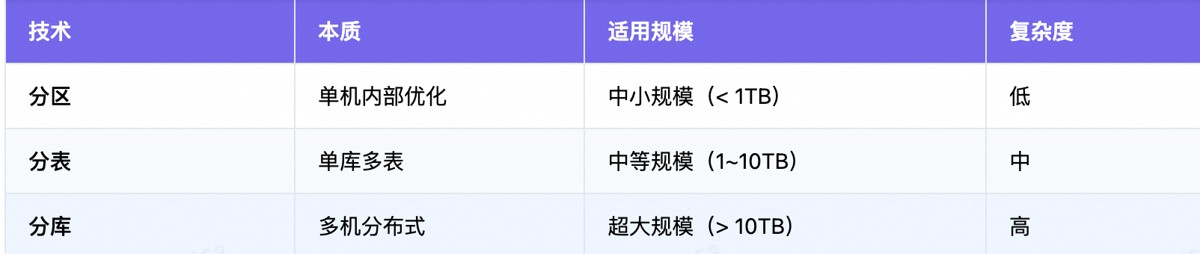
结论:
分区是“治标”,分库分表是“治本”。90% 的系统,用好 分区 + 读写分离 + 缓存 就足够了;
只有真正遇到单机瓶颈,才考虑分库分表。
参考文章:
到此这篇关于mysql分区、分表、分库从原理到生产最佳实践记录的文章就介绍到这了,更多相关mysql分区、分表、分库内容请搜索代码网以前的文章或继续浏览下面的相关文章希望大家以后多多支持代码网!





发表评论